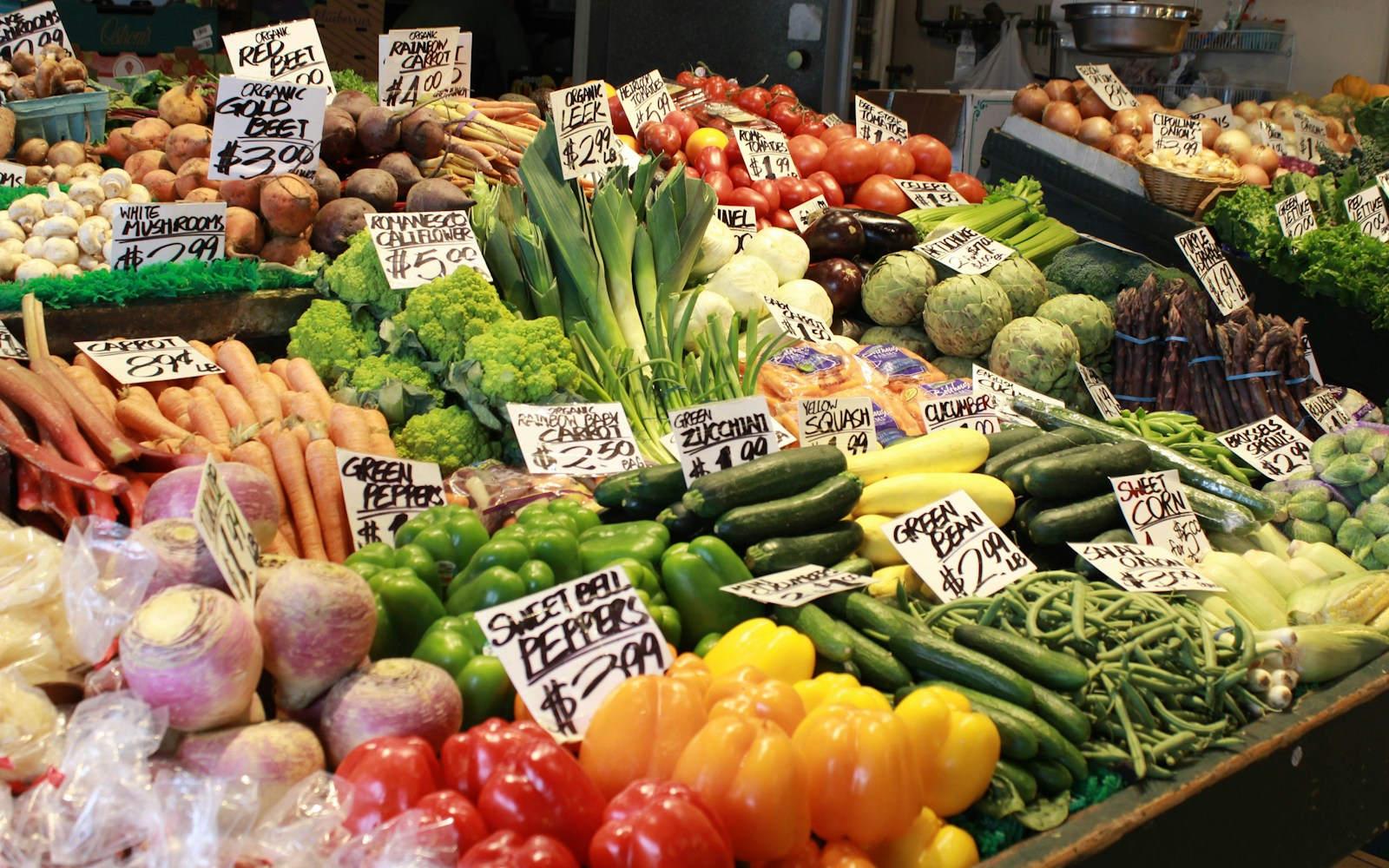
Before the morning rush, the market is already a conversation. Crates are arranged, handwritten labels find their places, and someone stops to ask how to choose a ripe tomato. In this imagined neighborhood market, the shopping list is only the beginning.
The plan brings a small group of independent growers and makers together on Saturday mornings. A produce stall sits alongside baked goods, a flower table, and a space for a different community organization each week. Keeping the footprint modest gives shoppers time to meet the people behind the tables.
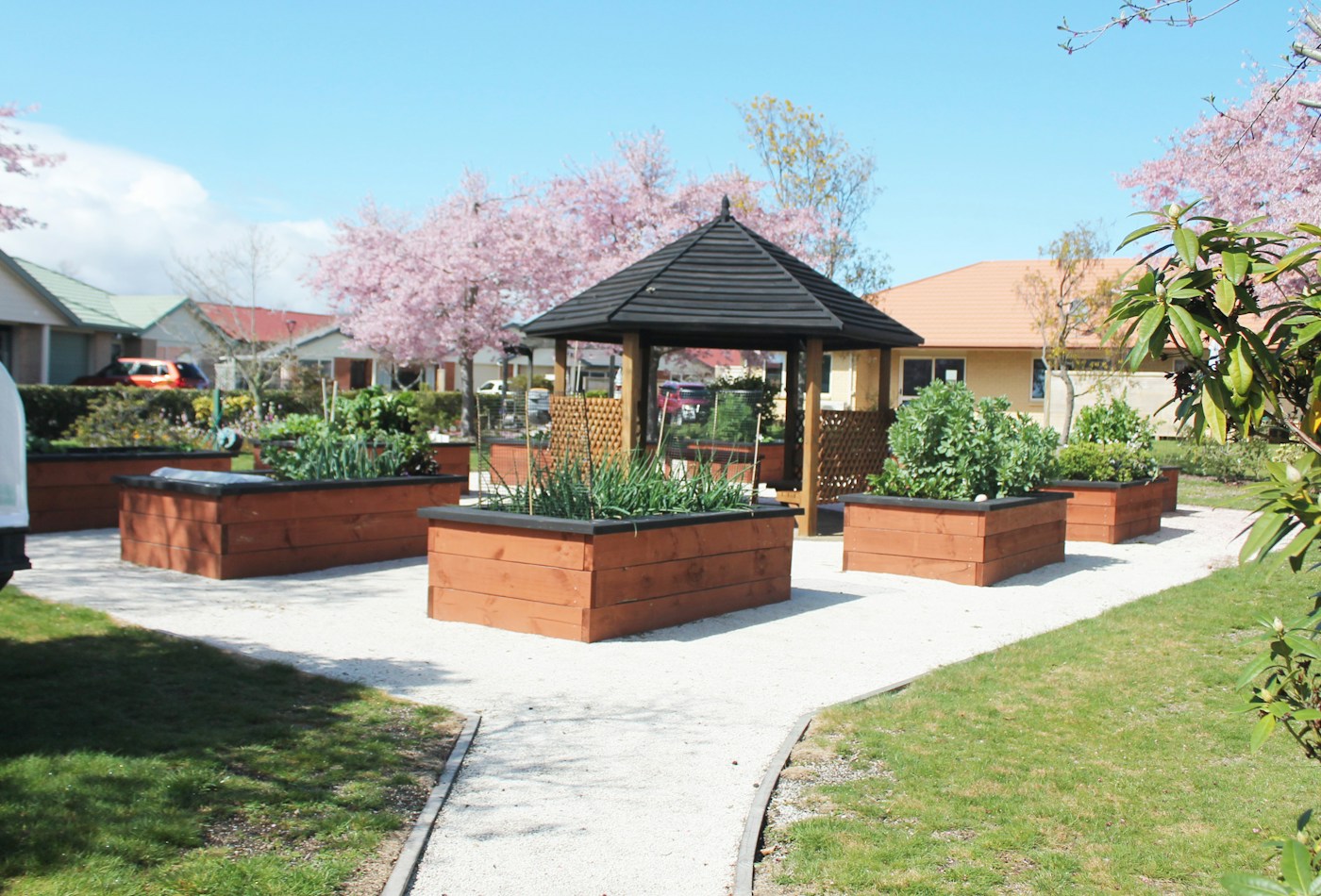
Accessibility is part of the layout. Wide aisles leave room for strollers and mobility devices, a shaded seating area offers somewhere to rest, and posted prices make it easier to plan a visit. Organizers also propose a quiet first half-hour for visitors who prefer a less crowded setting.
The market would grow gradually rather than filling every available space from the start. A rotating community table could host a seed swap one week and a neighborhood history display the next. The goal is to make returning feel worthwhile without making participation complicated.
For a small business, that kind of regular face-to-face contact can matter as much as a busy opening day. A customer who learns how something is grown or made has a reason to come back and a story to tell someone else.
This article is fictional sample reporting for a website concept. The market, plans, and participants described here are illustrative. Explore the demo events calendar to see how related community information could connect to an article like this.
This is a fictional sample story for the website concept. Share feedback or a correction →