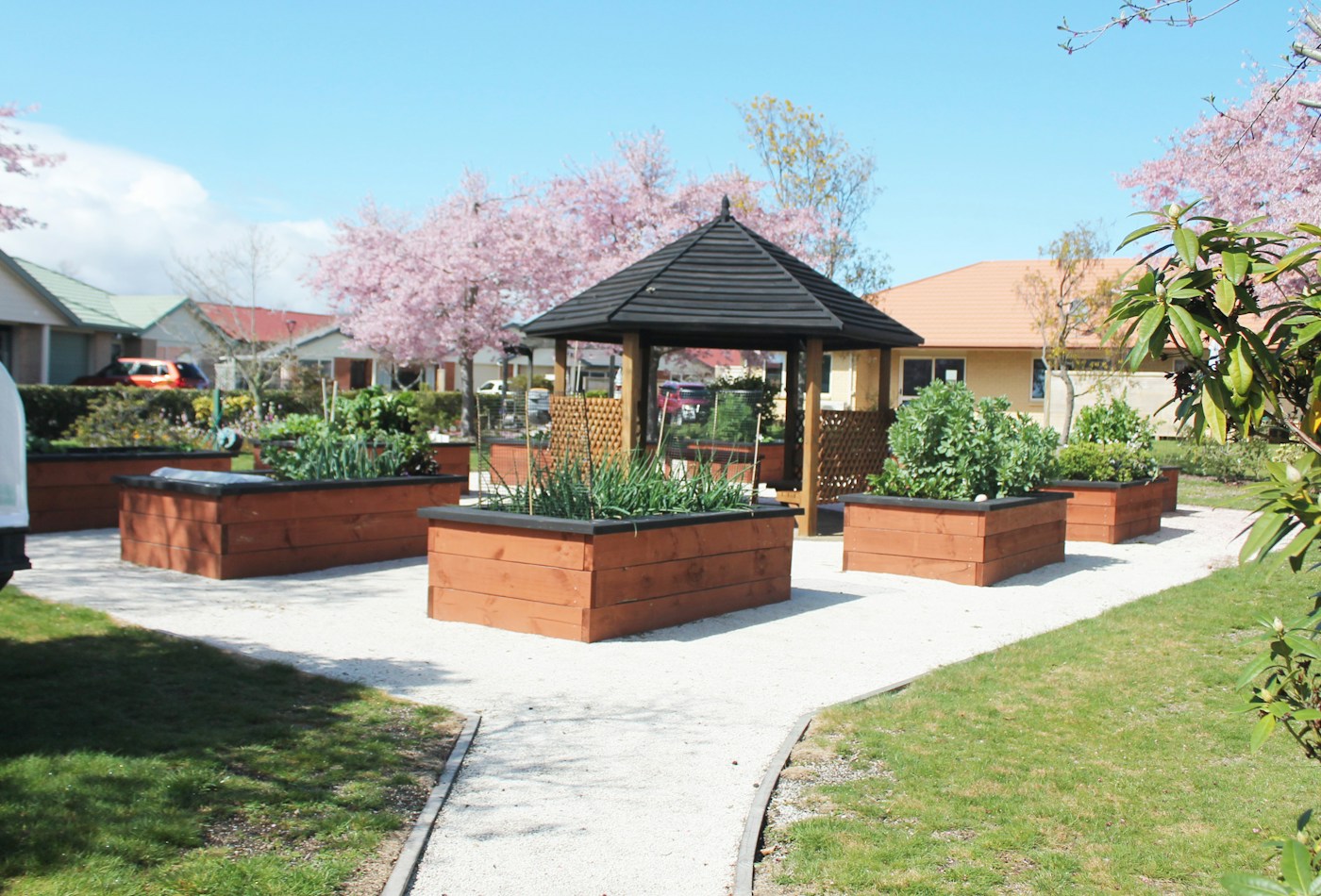
The sketch starts with a path. Raised beds sit on either side, with a place to rest in the shade and enough space to move comfortably between plants. For this imagined community garden, how people use the space matters as much as what grows there.
A small volunteer group would begin with a few shared beds and a straightforward watering schedule. Experienced gardeners could offer practical help while beginners learn by doing. A noticeboard would make the next tasks clear.
Deciding what to plant is also a conversation about the neighborhood. Some beds might hold familiar vegetables, while others could be reserved for herbs, pollinator-friendly flowers, or a crop suggested by a nearby household.
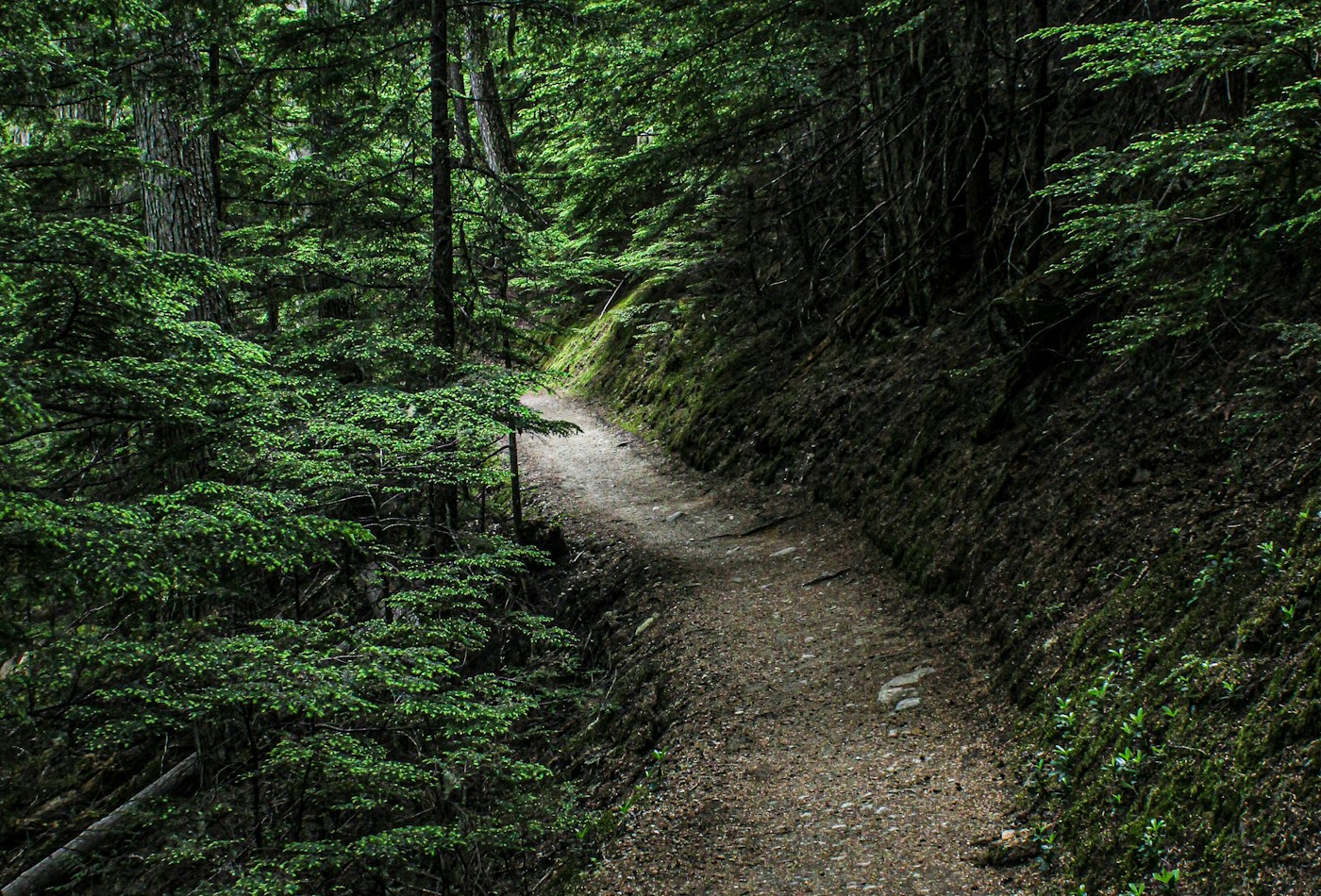
An ordinary walk becomes a different experience when someone else points out what they notice. A turn in the path, the sound of birds, or a change in the light can start a conversation that would not happen indoors.
This fictional community walking group is designed around an easy pace. The suggested route is short, the start time is clear, and there is no expectation that everyone has the same level of experience.
For an actual outing, organizers would publish the surface, distance, available seating, and accessibility information in advance. Weather and trail conditions can change plans, so a current update and a contact method are useful parts of an event listing.
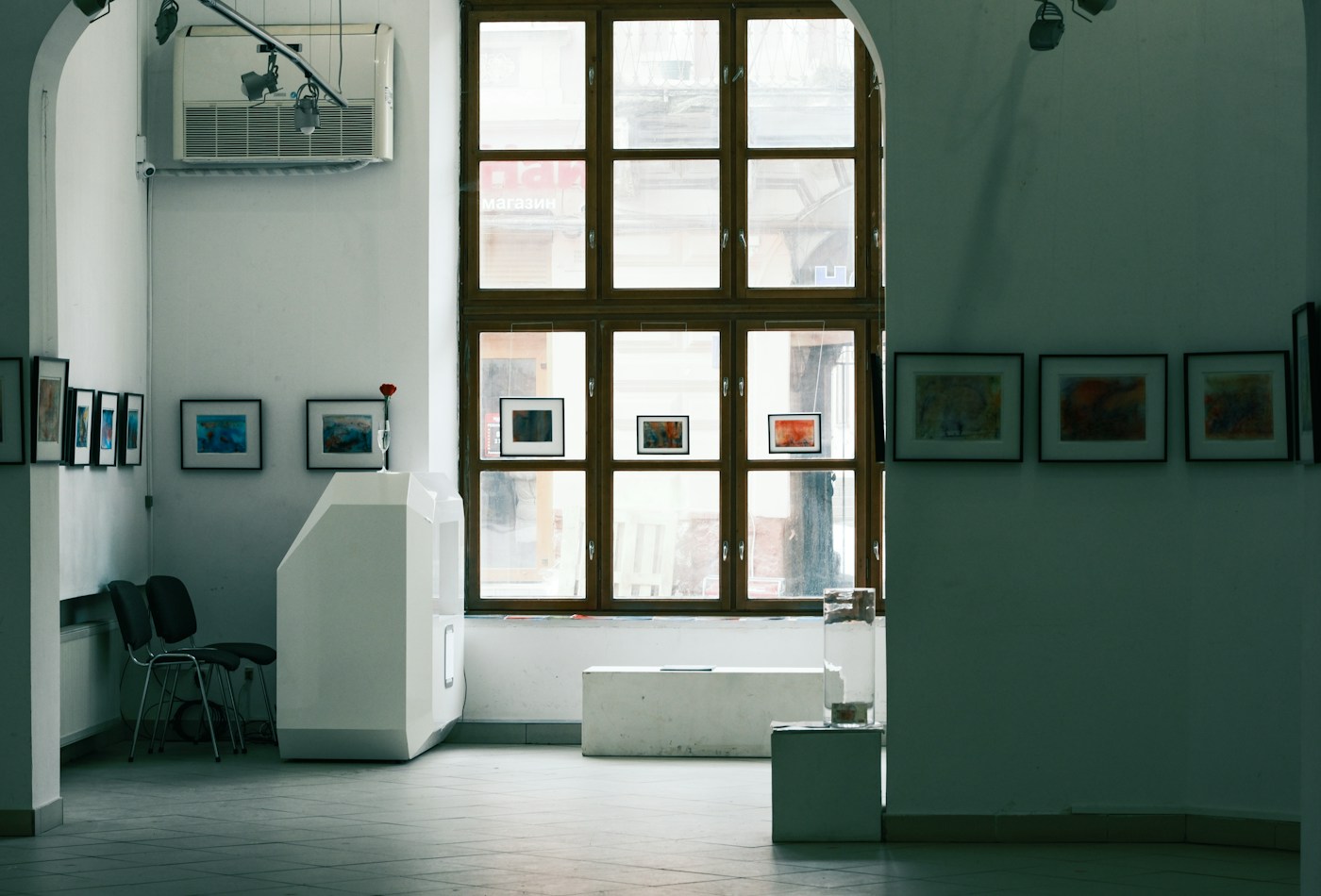
A studio visit changes the way people look at a finished piece. A sketch on the table, a stack of materials, or a work still in progress can reveal decisions that are easy to miss on a gallery wall.
In this imagined open-studio afternoon, a small group of makers would welcome visitors for short demonstrations and informal conversations. The schedule leaves room to watch, ask questions, and move at a comfortable pace.
One stop might show a print developing in layers. Another could explore the way an artist chooses a limited color palette. A shared display would introduce everyone taking part, including makers showing their work publicly for the first time.