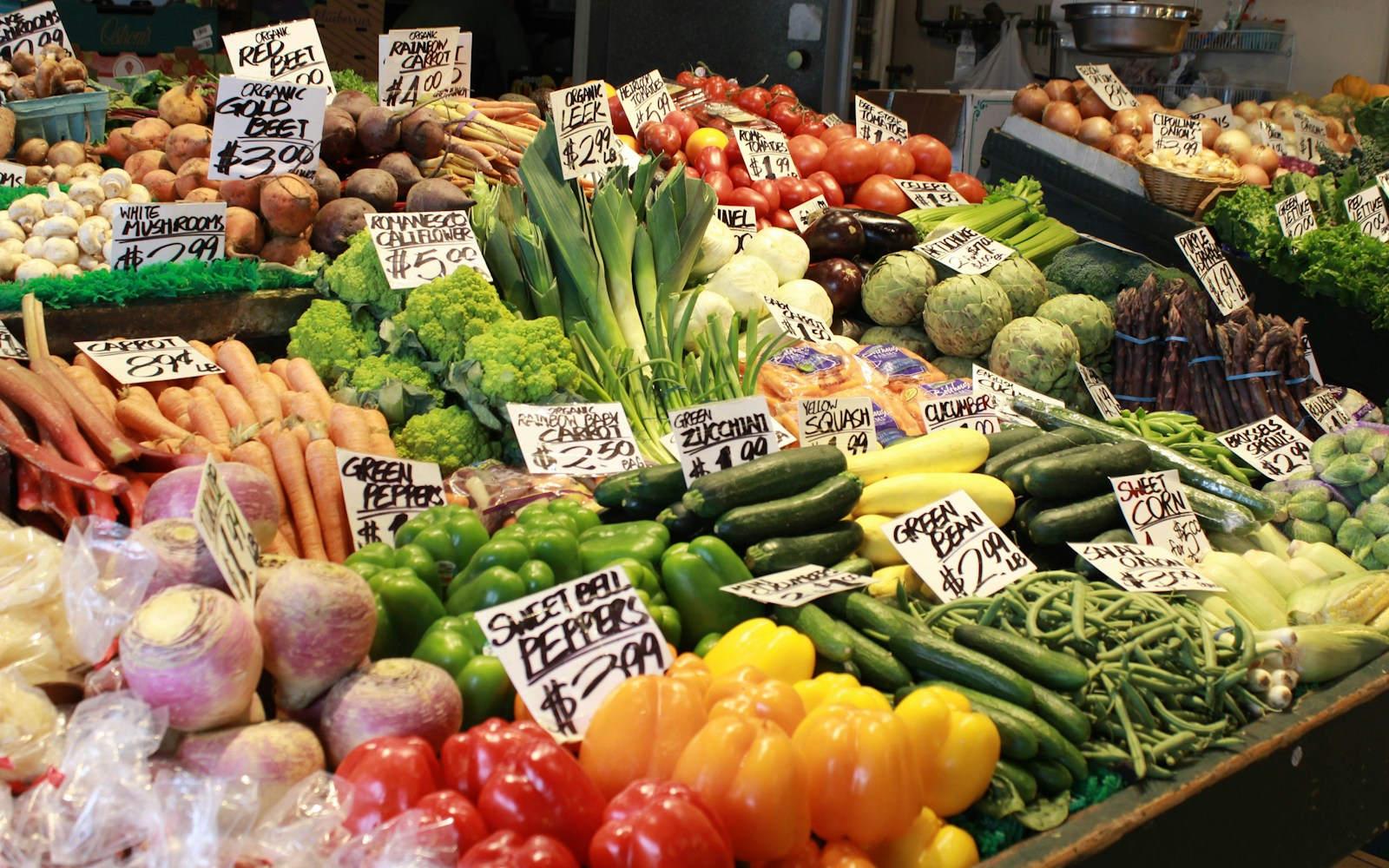
Before the morning rush, the market is already a conversation. Crates are arranged, handwritten labels find their places, and someone stops to ask how to choose a ripe tomato. In this imagined neighborhood market, the shopping list is only the beginning.
The plan brings a small group of independent growers and makers together on Saturday mornings. A produce stall sits alongside baked goods, a flower table, and a space for a different community organization each week. Keeping the footprint modest gives shoppers time to meet the people behind the tables.
Accessibility is part of the layout. Wide aisles leave room for strollers and mobility devices, a shaded seating area offers somewhere to rest, and posted prices make it easier to plan a visit. Organizers also propose a quiet first half-hour for visitors who prefer a less crowded setting.
The first thing a visitor notices is the invitation to sit down. In this fictional bookshop, a pair of chairs stands beside a table of staff favorites, and a handwritten question asks readers what they have enjoyed lately.
The proposed shop would combine a carefully chosen book collection with a small schedule of gatherings. A monthly reading group, a children’s story hour, and occasional conversations with writers offer different reasons to visit. None requires being an expert reader.
The owners imagine organizing some shelves around interests rather than strict categories. A display about growing things might include gardening advice, nature writing, and a picture book. A display about home could connect local history with essays and fiction.
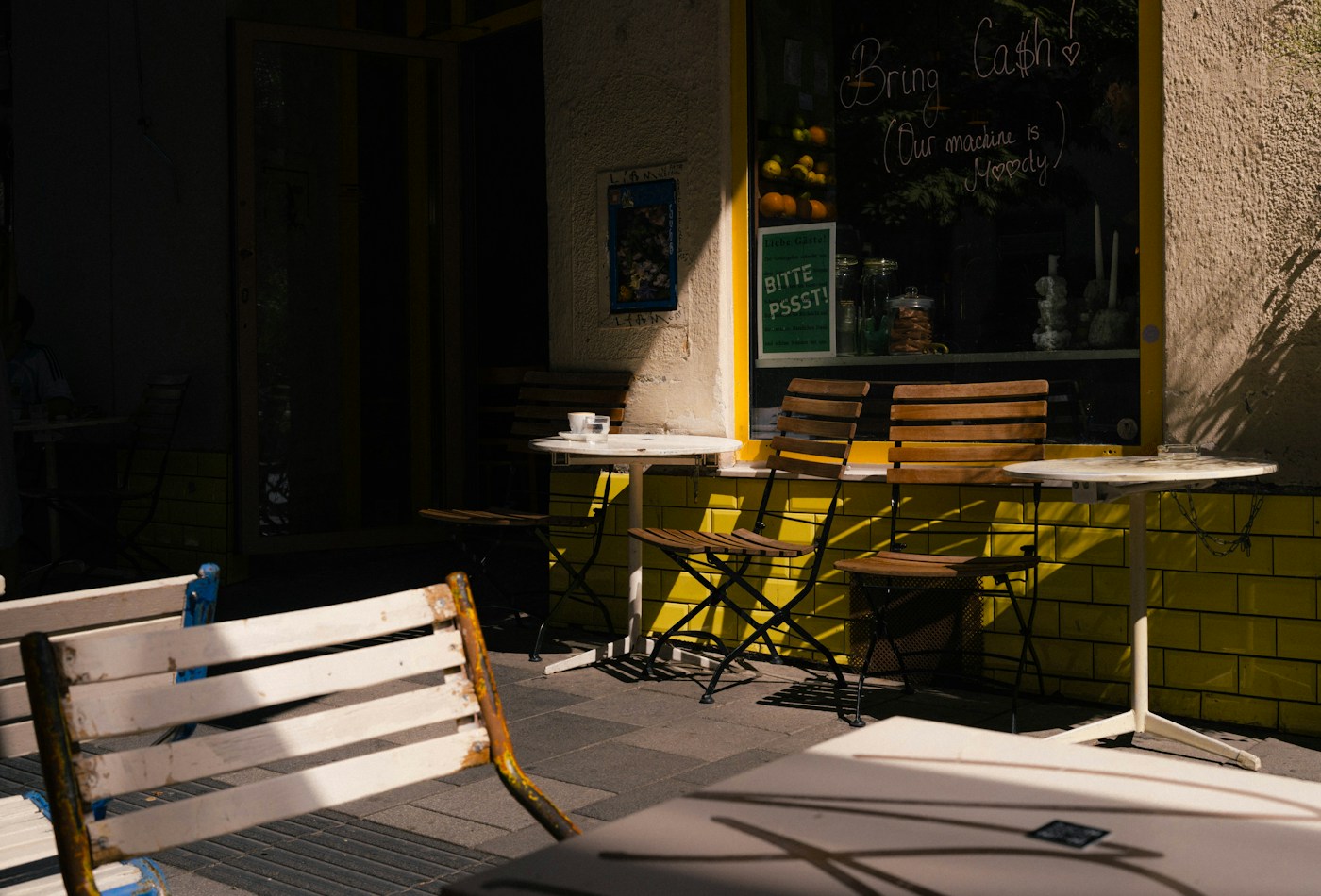
Some weekends are better with a little less on the agenda. A table in the sun, something warm to drink, and time to notice the street can be enough of a plan. This fictional neighborhood feature begins with that simple idea.
At the imagined Juniper Table, the breakfast menu is deliberately short. Seasonal toast, a rotating baked dish, and a few familiar staples give the kitchen room to focus on ingredients. A board by the counter lists what is available that morning.
The most useful details are often the least glamorous: when the kitchen closes, whether a table can accommodate a stroller, and where to find a step-free entrance. Making that information easy to find is part of welcoming the neighborhood.